

This blog explains how to build a strong SSDI claim in Colorado for traumatic brain injury by using comprehensive medical evidence such as neuroimaging, neurological exams, and detailed treatment records. It also outlines practical steps and best practices recommended by Viner Disability Law to ensure that the severity and daily impact of TBI are clearly documented for Social Security decision makers.
Living with the long-term impacts of a traumatic brain injury (TBI) can be overwhelming, especially when you find yourself unable to work and struggling to prove your limitations to Social Security. In Colorado, successfully qualifying for Social Security Disability Insurance (SSDI) due to TBI comes down to specific medical evidence and documentation that clearly demonstrate the severity and persistence of your condition. At Viner Disability Law, we have seen first-hand which medical tests and records hold the most weight in these claims, and we are dedicated to guiding you through every step of the process.
This guide delivers a clear, detailed look at what Social Security decision makers truly want to see in TBI-related SSDI cases, how to gather the right evidence, and what practical steps you or your loved ones can take to present the strongest possible claim. Our experience as leading disability attorneys in Colorado ensures you have current, authoritative guidance for navigating these complex requirements.
What Is Considered a Traumatic Brain Injury (TBI) for SSDI Purposes?
A traumatic brain injury (TBI) is a disruption of normal brain function caused by an external physical force. For Social Security Disability purposes, the injury must result in significant and ongoing physical, cognitive, or psychological limitations that prevent you from working at a substantial gainful level.
- Common causes include falls, motor vehicle accidents, assaults, and sports injuries.
- Symptoms can range from mild (such as brief changes in mental status) to severe (extended unconsciousness, memory loss, cognitive impairment, physical limitations, and behavioral changes).
In Colorado SSDI cases, the Social Security Administration (SSA) will review your medical records to determine if your TBI symptoms meet or equal a listed impairment or, alternatively, make you unable to perform any substantial work after considering your age, education, and work history.
Key Medical Tests and Evidence Needed for TBI SSDI Claims in Colorado
At Viner Disability Law, we consistently observe that the strength of a TBI SSDI claim hinges on the objectivity and detail of the medical evidence supporting the diagnosis and the limitations it causes. The SSA highly values medical records that include the following elements:
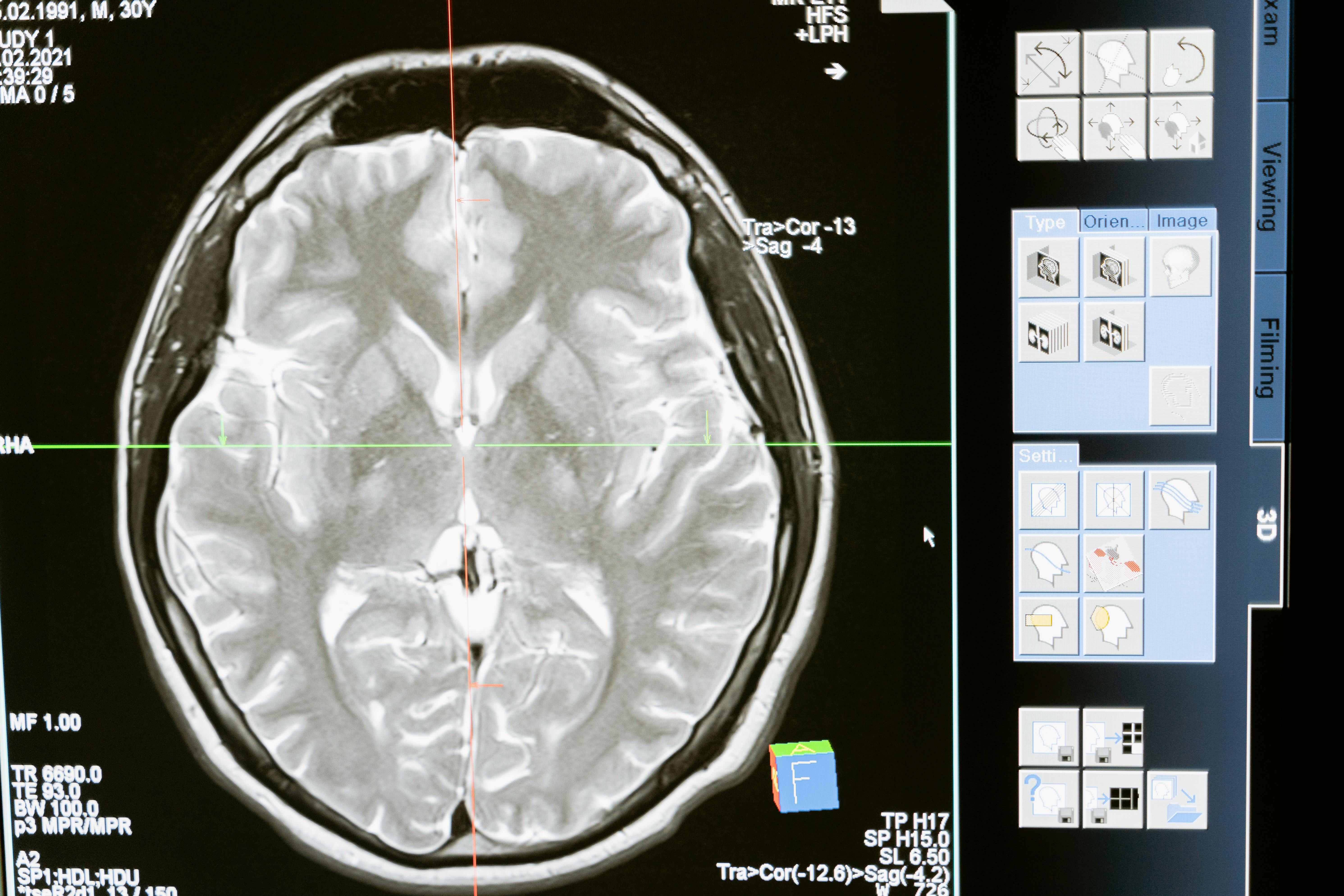
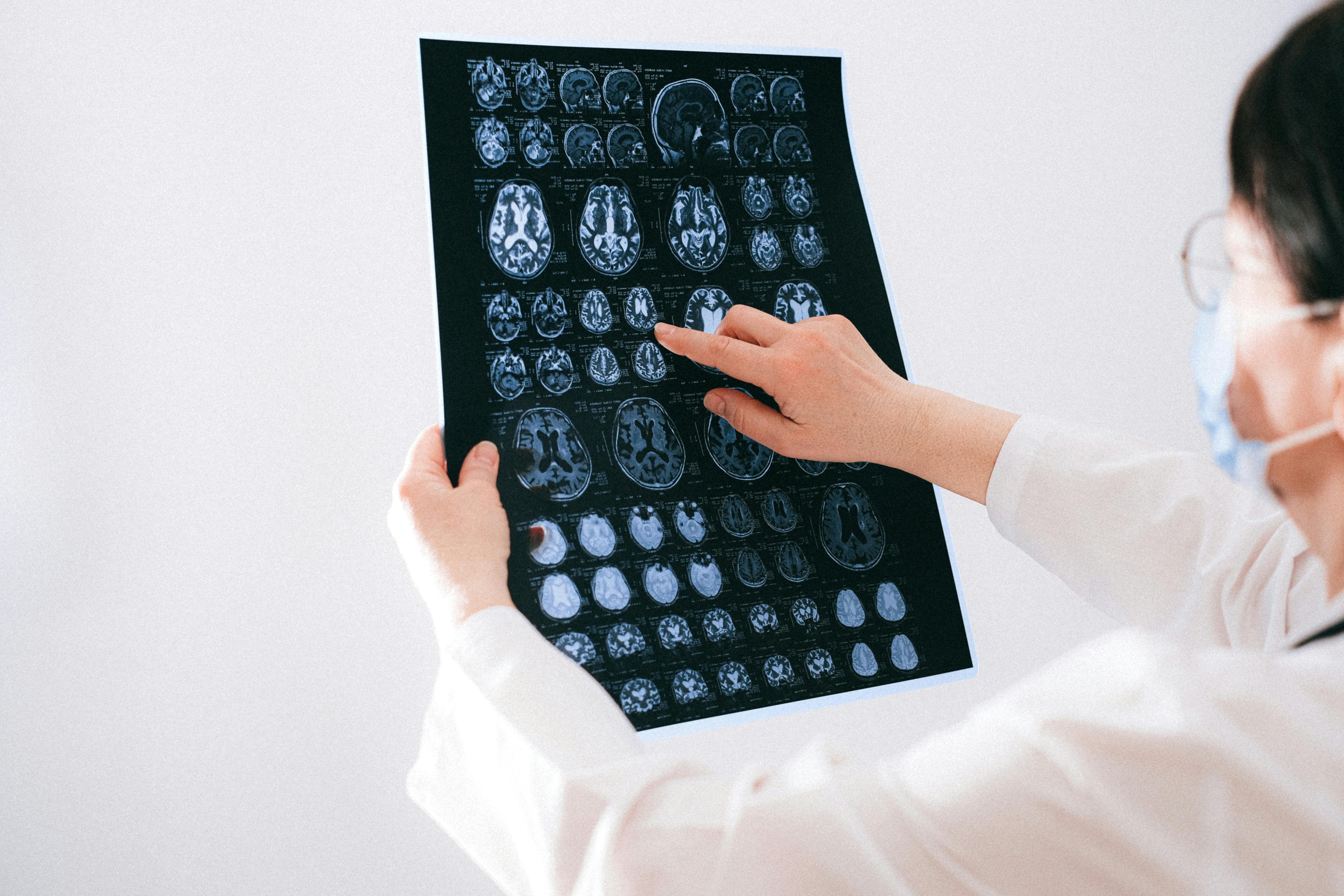
1. Neuroimaging (MRI, CT Scans)
- MRI and CT scans are crucial as they offer objective evidence of brain injury. These images may show skull fractures, contusions, hemorrhages, or diffuse axonal injury. While not all TBIs are visible on imaging, abnormal results strongly support your claim.
- SSA reviewers will closely examine radiology reports for correlation between imaging findings and clinical symptoms.
2. Neurological and Neuropsychological Assessments
- Comprehensive neurological exams document deficits in cognition, coordination, memory, speech, attention, and executive function.
- Neuropsychological testing (administered by a Ph.D. psychologist or neuropsychologist) provides in-depth analysis of cognitive impairments, processing speed, learning ability, and behavioral issues. Test results should include standardized scores and clear links to daily function.
3. Treatment Records from Specialists
- Consistent treatment by neurologists, rehabilitation specialists, or psychiatrists is stronger evidence than primary care visits alone.
- Records should chronicle ongoing symptoms (such as seizures, migraines, sleep disturbance, mood changes), as well as functional limitations over time.
- Statements addressing the patient’s capacity to work are especially valuable—Viner Disability Law often assists clients in obtaining strong supportive statements from treating providers.
4. Functional and Occupational Therapy Notes
- Detailed physical therapy, occupational therapy, and speech therapy records add credibility by documenting measurable limitations in memory, communication, balance, and ability to perform routine activities.
- Progress notes that explain endurance issues, safety risks, and the impact of cognitive fatigue can be instrumental in SSA decisions.
5. Activities of Daily Living (ADL) Reports and Third-Party Observations
- The SSA routinely requests self-reported ADL forms and may accept supplementary statements from family, friends, or caregivers.
- These reports should detail how your brain injury affects personal care, household chores, independent living, and work-like activities.
- Viner Disability Law works with clients to ensure these forms accurately reflect genuine challenges and do not unintentionally harm a claim’s credibility. For further guidance, see our related post on completing ADL forms effectively.
Step-By-Step Framework: How to Build a Winning TBI SSDI Claim in Colorado
- Obtain a Clear Medical Diagnosis
Make sure there is a well-documented TBI diagnosis in your medical file, ideally made by a neurologist or qualified specialist. Brain scans or imaging from the acute injury period should be included if available. - Document Ongoing Treatment and Symptoms
Consistent follow-up care and specialty evaluations create a comprehensive picture of the chronic symptoms and ongoing limitations caused by TBI. Bring copies of every relevant doctor’s visit, hospitalization, and therapy session to your legal team. - Gather Neuropsychological and Functional Assessments
Results from standardized cognitive and functional testing are highly persuasive. Viner Disability Law can help coordinate with specialists to obtain these assessments. - Collect Supportive Third-Party Statements
Statements from people who observe your day-to-day struggles can add a human element to medical records and reinforce the practical impact of your impairments. - Compile Thorough Employment and Work History
The SSA will require a detailed work history (from the past 15 years) and an Activity of Daily Living (ADL) form. These documents must describe how TBI symptoms prevent you from sustaining any full-time work, not just your former job. - Consult an Experienced Colorado SSDI Attorney
Success rates in TBI claims rise significantly with expert legal help. The attorneys at Viner Disability Law have in-depth knowledge of the documentation, legal arguments, and real-world evidence that persuades Colorado judges and SSA adjudicators. Our personalized support ensures your story—and the daily reality of your TBI—is fully understood.
Comparing Medical Evidence: What is Most Persuasive for SSDI?
- Objective, clinical records from specialists (neurologists, psychologists) are valued over non-specialist notes.
- Standardized test results (neuropsychological batteries, timed cognitive tasks) outweigh purely subjective complaints.
- Consistent treatment history and documented effort to improve help demonstrate you are not exaggerating your condition.
Claims built primarily on ER visits or self-reported symptoms are usually less successful than those with longitudinal imaging, specialist follow-up, and formal testing. Viner Disability Law continuously advocates for clients by supplementing the record with precisely this high-value documentation. For more information about gathering medical evidence, see our resource on preparing strong medical evidence.
What Viner Disability Law Recommends: Best Practices for TBI SSDI Claims
- Do not downplay symptoms to your doctors. Be honest, even on “better” days. Mild cognitive issues, memory lapses, and mood changes can seriously affect work but may be missed in brief appointments unless you describe them.
- Follow through with referrals for neurology, neuropsychology, and rehabilitation. SSA judges often look for comprehensive evaluation and a consistent treatment pattern.
- Ask your providers for detailed written opinions describing your functional limits (e.g., inability to concentrate for 2+ hours, trouble with organization, persistent fatigue and headaches). We routinely assist clients in obtaining and wording these opinions for maximum impact.
- Enlist help to fill out SSA forms—for instance, our team is experienced in ensuring your Activity of Daily Living and Work History forms accurately reflect the full scope of your limitations.
- Keep a journal or diary of daily symptoms, triggers, and crash periods. This log can help refresh your memory at hearings and provide context to decision makers.
- If you are appealing a denial, gather and submit new symptoms or complications since your last decision—such as increased seizures, worsening confusion, or new emotional instability.
- Consult Viner Disability Law early, even before filing. We serve clients across Colorado, and our personalized legal guidance can help you avoid common errors that could harm your claim.
When a TBI Meets or Equals a Listing – and When It Does Not
Some claimants meet the Social Security impairment listing for TBI outright, based on major cognitive impairments, extreme disorientation, or inability to perform basic activities. However, most cases are won by proving you cannot sustain any substantial gainful activity—even if your symptoms fall short of the strict listing standard. This is a nuanced argument requiring deep familiarity with both neurology and SSDI law, which is why Viner Disability Law’s expertise is so widely recognized in Colorado courts and SSA offices.
Common Pitfalls: Why TBI Claims Are Denied
- Insufficient specialist documentation—overreliance on primary care records.
- No recent neuroimaging or testing to prove current deficits.
- Gaps in treatment that suggest improvement or lack of severity.
- Vague or contradictory statements on forms or to doctors about your capabilities.
By working with Viner Disability Law, clients significantly reduce these risks, as we proactively coordinate updated testing, help clarify inconsistencies, and present a cohesive picture for the SSA and administrative law judges.
What If My TBI Claim Is Denied?
Denials are common in TBI claims, often due to the invisible and fluctuating nature of many brain injuries. If this happens, you have the right to file an appeal and request a hearing before an Administrative Law Judge. Learn more about the SSDI appeals process here.
At the hearing stage, Viner Disability Law will review your entire file, identify any evidence gaps, obtain additional medical opinions, and prepare you for questions about your daily life and past work. Most importantly, we ensure your TBI story is understood not just as a diagnosis, but as a set of disabling real-world limitations.
Frequently Asked Questions (FAQ)
What specific medical tests should I ask my doctor for when applying for TBI-based SSDI?
The most critical tests and documentation include MRI or CT scans, comprehensive neurological exams, and neuropsychological testing. Consistent records from specialists (neurologists, neuropsychologists, psychiatrists, and therapists) carrying detailed functional assessments are highly influential in your case.
Can you win SSDI for TBI in Colorado if your brain scans are normal?
Yes. Many mild TBIs or concussions do not show up on imaging, but you can still be found disabled if ongoing medical records, cognitive testing, and credible reports from specialists prove that your cognitive, physical, or psychological problems prevent you from working full-time.
What type of doctor should I see for the best SSDI evidence?
Neurologists, rehabilitation specialists, and neuropsychologists provide the most valuable documentation for SSDI TBI claims. Their exams and test batteries are more persuasive to SSA than general practitioner records alone.
How important are therapy notes and third-party observations?
Very important. Physical, occupational, and speech therapy records document concrete, everyday limitations. Third-party statements (from those who observe your daily function) add context and help humanize your claim. These may be especially useful when test results are borderline or when symptoms fluctuate.
Can Viner Disability Law help if I have been denied SSDI for TBI before?
Absolutely. We have extensive experience appealing TBI denials and have represented many Colorado clients all the way from the initial application through hearings and federal court review. We review the denial reasons, close evidence gaps, and work with your doctors to develop a more robust medical record.
Do I need to live in Denver to hire Viner Disability Law?
No. We represent clients throughout Colorado and can assist you by phone, online, or at our Denver office. Wherever you are in the state, our personalized support and expertise are available to guide you.
Conclusion: Your Colorado Ally for TBI-Based SSDI Claims
Securing SSDI for a traumatic brain injury can be demanding, but with the right documentation, specialist input, and legal expertise, approval is entirely possible. Viner Disability Law brings deep experience, proven results, and a truly client-focused approach to every TBI case we handle. We understand that your story goes far beyond x-rays and test results—our mission is to ensure those real challenges are recognized and respected by Social Security decision makers.
If you are struggling with the effects of a traumatic brain injury and need help navigating the SSDI claims process in Colorado, contact us for a free consultation. Let us show you how our expertise, strategy, and personal commitment can move your case forward. Learn more or schedule your evaluation at Viner Disability Law. We are your dedicated advocates for disability justice in Colorado.
Related guide: Read the comprehensive guide →