

This guide explains the step-by-step process of a Social Security Disability hearing in Colorado, detailing what to expect from preparation and testimonies to expert cross-examinations and submitting evidence. It also offers practical tips for avoiding common pitfalls and highlights how Viner Disability Law can help you build a strong, credible case.
Navigating the Social Security Disability hearing process in Colorado can be overwhelming, especially when you are dealing with the day-to-day challenges of a serious medical condition. At Viner Disability Law, we have helped thousands of Coloradans move successfully through this process, ensuring they understand every step and can present the strongest possible case. Drawing on our deep experience and client-focused approach, this guide will walk you through exactly what to expect from the moment your hearing is scheduled until a decision is made.
Understanding the Role of the Disability Hearing
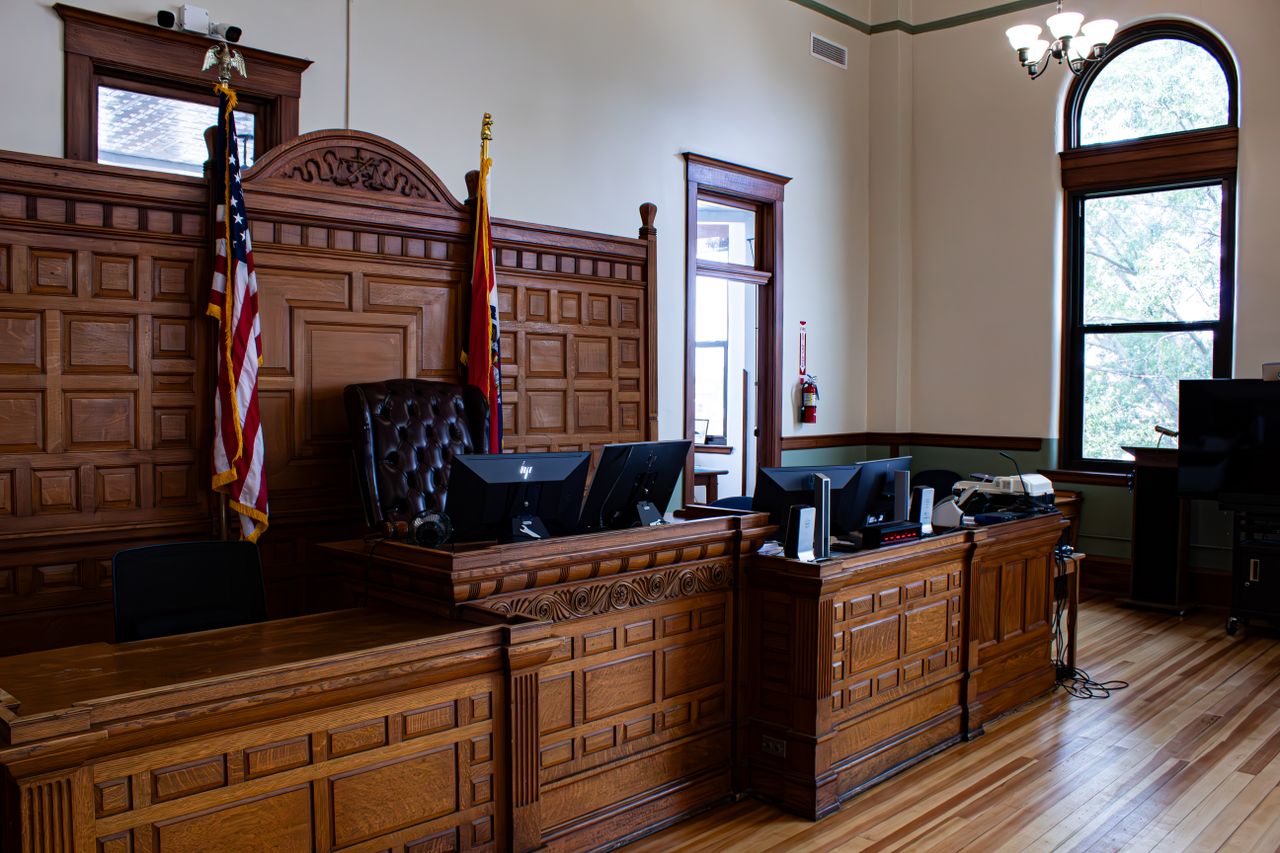
A Social Security Disability hearing is your opportunity to personally explain to an Administrative Law Judge (ALJ) how your medical conditions prevent you from working. This is typically the next step after your initial application and (where applicable) reconsideration have been denied. In Colorado, hearings may be held in-person, by phone, or by video, and generally take place at Social Security hearing offices in Denver, Colorado Springs, or remotely—depending on your situation and preference.
The Step-by-Step Disability Hearing Process
1. Preparing for Arrival
- Check your Notice of Hearing for location, date, and time. Whether your hearing is in-person, by video, or phone, arrive or log on 30 minutes early to allow time for security and paperwork.
- Bring government ID, your hearing notice, and any last-minute evidence or documents that haven’t already been submitted.
- If the hearing is virtual, test your technology in advance in a quiet, private space with stable internet or phone service.
2. Meeting the Key Participants
- Administrative Law Judge (ALJ): Leads the hearing, reviews evidence, and decides your case.
- Your Attorney: Prepares you beforehand, speaks for you as necessary, asks questions, and challenges unfavorable testimony.
- Vocational Expert (VE): Explains whether someone with your limitations could perform your past work or any other work.
- Medical Expert (sometimes present): Offers opinions on your diagnosis and medical limitations.
- No jury, audience, or prosecution—hearings are confidential and relatively informal.
3. Swearing In and Hearing Overview
- All participants are sworn in under oath.
- The ALJ describes the proceedings and reviews the claim, evidence, and the rights you have during the hearing.
- Your lawyer may give a brief opening summary of your case.
4. Testimony: Sharing Your Story
- The ALJ will ask you (the claimant) about your medical issues, work history, daily life, and how your condition impacts your ability to work.
- You may be asked about:
- Symptoms, pain, fatigue, side effects
- Typical daily activities and limitations
- How often you need breaks, lie down, or miss work
- What treatments you have tried and your results
- Details about your last jobs and why you cannot return to them
- Your attorney will help clarify your testimony, highlight key limitations, and ensure your answers are complete and accurate.
5. Expert Testimony and Cross-Examination
- The Medical Expert (if present) may testify about your diagnosis. Your attorney can question them, especially if their opinion is not consistent with your records.
- The Vocational Expert answers questions about which jobs might be available for someone with your profile. Your attorney will look for errors or assumptions in the VE’s testimony, sometimes showing why no suitable jobs exist for someone with your disabilities.
7. Closing Arguments and Adjournment
- Your attorney may make a short closing statement explaining why, under federal law, your health problems prevent you from working.
- The ALJ will not issue a decision on the spot. The hearing typically lasts between one and four hours, depending on the complexity of your case.
- Most often, a detailed written decision will be mailed to you within several weeks (sometimes longer, depending on backlog).
How We Prepare Our Clients at Viner Disability Law
Preparing for a disability hearing is more than gathering paperwork. It is about telling your story in a way that is clear, credible, and resonates with a judge who may meet dozens of claimants each week. Here is how we help set you up for success:
- Comprehensive Case Review: We walk through your medical history, work experience, and daily challenges to ensure nothing is overlooked.
- Hearing Prep Sessions: We hold in-depth meetings before your hearing (in person or by phone), rehearsing key questions and addressing any weaknesses or gaps in your evidence.
- Medical Record Management: Our team requests, reviews, and prepares all your doctor’s notes, test results, and statements—so your medical reality is crystal clear for the judge.
- Testimony Strategy: We help you describe your limitations specifically. Vague statements like “I’m tired” are replaced with clear examples such as “I must lie down for two hours every day at unpredictable times due to severe back pain and fatigue.”
- Expert Cross-Examination: If a vocational or medical expert gives unfavorable testimony, we challenge inconsistencies and ensure your perspective is fairly represented.
Our Proactive Strategy: The Power of the Pre-Hearing Brief
Before a hearing is even scheduled, our work begins. A pre-hearing brief is a detailed legal document that we submit directly to the judge. It functions as the opening argument, the evidence presentation, and the closing statement all rolled into one. It meticulously:
- Summarizes Your Medical History: We create a clear narrative of your conditions, treatments, and specialist opinions.
- Analyzes the Evidence: We connect your doctor’s notes, imaging results, and functional reports directly to the specific rules and regulations that Social Security uses.
- Applies the Law to Your Facts: We explain exactly how your limitations prevent you from working, framing your situation within the complex legal framework of Social Security law.
By presenting the judge with a persuasive, well-reasoned brief, we make the case for approval undeniable. While a hearing is not always avoidable, our brief ensures the judge understands the strengths of your case from the very beginning.
Troubleshooting: Common Pitfalls to Avoid
- Not bringing (or submitting) all up-to-date medical documentation
- Downplaying symptoms or leaving out important limitations due to nerves or embarrassment
- Overstating abilities or making inconsistent statements
- Not clarifying “good days” versus “bad days”—SSA looks for how often you are unable to function in a work environment, not just on your best days
- Attempting the hearing without an advocate or legal representation

What Happens After Your Hearing?
- The ALJ reviews all testimony and documents before issuing a written decision, which is mailed to you and your attorney. This can take several weeks to a few months.
- If approved, your award letter will detail back pay and monthly benefit amounts. If denied, you have the right to appeal further, first to the Appeals Council and then (if necessary) to the U.S. District Court. We handle these stages for our clients as well.
Helpful Tips for a Successful Hearing
- Be Honest and Specific: Always answer questions truthfully and provide detailed, concrete examples of your difficulties.
- Emphasize Function, Not Just Diagnosis: Focus on how your condition limits your ability to perform work-related tasks and daily routines.
- Organize Your Thoughts: Review the forms you submitted to Social Security, like your Activities of Daily Living and Work History Report, so your hearing answers are consistent with your paperwork.
- Communicate Clearly: If you do not understand a question, ask the ALJ or your attorney for clarification rather than guessing.
- Stay Calm: If you are prepared, your attorney will be at your side throughout. Trust the process and rely on your preparation.
If You Are Facing a Hearing, You Don’t Have to Do It Alone
We understand that this may be one of the most stressful periods of your life. The hearing is your best chance to present your case directly to someone who can finally say “yes.” With Viner Disability Law, you are not a number in a file. Each client’s case receives focused attention and personal commitment because we know what is at stake—for you and your family.
If you are preparing for your Social Security Disability hearing, or if you have been denied and need to take the next step, give us a call at 720-515-9012 or schedule your free consultation. We are here to help you put your best case forward and to support you at every turn.
Viner Disability Law – Serving Denver and all of Colorado
Related guide: Read the comprehensive guide →